

Best Time for Overseeding in Missouri: A Month-by-Month Breakdown
If you’ve ever seeded your lawn at the wrong time, you already know what happens: the seed either bakes in the summer heat, washes away in a heavy rain, or never germinates at all because the soil temperature is too cold. It’s a frustrating waste of money and effort — and it happens more often than it should, even to homeowners who care about their lawn.
Missouri’s climate doesn’t make it easy. You’re dealing with hot, humid summers, unpredictable springs, and falls that can turn cold fast. The window for successful overseeding is real, but it’s tighter than most people think. This guide breaks down the best time to overseed in Missouri month by month, so you stop guessing and start getting results.
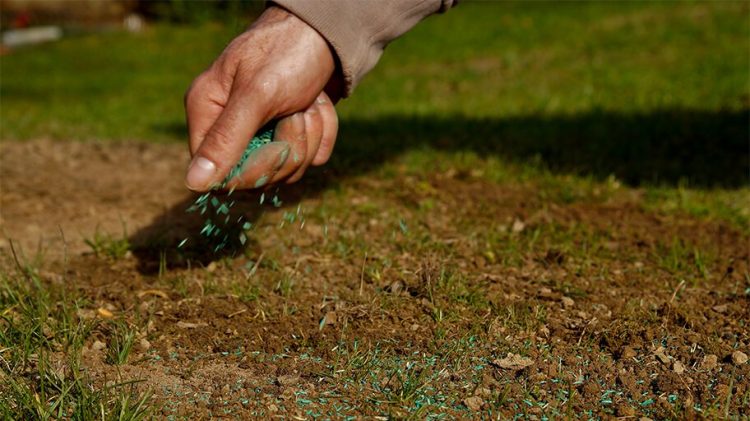
Why Timing Is Everything With Overseeding
Grass seed doesn’t care about your schedule. It germinates when soil conditions are right — specifically when soil temperature sits between 50°F and 65°F for cool-season grasses like tall fescue and Kentucky bluegrass, which are by far the most common turf types in St. Louis County and across Missouri.
Too hot, and new seedlings get scorched before they establish roots. Too cold, and germination stalls entirely. Overseed at the right time, though, and you’re giving new grass the longest possible runway to root deep before it faces the stress of summer heat or a hard frost.
Missouri sits in a transitional climate zone — too hot for cool-season grass to thrive in summer, too cold in winter for warm-season grasses to dominate. That means the best overseeding windows are seasonal, and if you miss them, you’re waiting another six months.
Missouri’s Grass Types and Why They Matter
Before getting into the month-by-month breakdown, it helps to know what most Missouri lawns are actually growing. The majority of residential lawns in areas like Chesterfield, Ballwin, Wildwood, and Kirkwood are cool-season lawns — primarily tall fescue, sometimes mixed with Kentucky bluegrass or fine fescue.
Cool-season grasses grow most aggressively in spring and fall when temperatures are mild. They struggle through Missouri’s hot summers, which is exactly why overseeding is such a valuable tool — it lets you replenish the turf that’s been thinned by summer heat, drought, or foot traffic before winter sets in.
If your lawn is Zoysia or Bermuda (warm-season grasses more common in southern Missouri), the overseeding window flips entirely — you’d target late spring through early summer. But for the purposes of this guide, we’re focused on cool-season lawns, which represent the vast majority of St. Louis County properties.
Month-by-Month Overseeding Guide for Missouri
January & February; Not a Chance
Soil temperatures in St. Louis in January and February typically hover between 28°F and 38°F — well below the germination threshold for any cool-season grass. Any seed put down now will either freeze in the ground or wash away with snowmelt. Save your money.
The only exception here is dormant seeding, which some lawn care professionals practice in late December or early January. The idea is to seed when the ground isn’t frozen solid but temps are cold enough that germination won’t happen until spring. It’s a technique with mixed results and we generally don’t recommend it unless conditions are very specific.
March; Too Early, Too Risky
Missouri springs are deceptive. You’ll get a warm week in early March that makes you want to get outside and do something — and that instinct usually costs lawn owners money. Soil temperatures in March are typically still too low for reliable germination, and even if a few seeds sprout during a warm spell, a late frost will set them back hard.
Beyond temperature, spring overseeding puts new seedlings in direct competition with crabgrass and other annual weeds. Most lawn care programs apply a pre-emergent herbicide in early spring, and pre-emergents don’t just stop crabgrass — they stop your grass seed too. You can’t overseed and apply pre-emergent at the same time without undermining one of them.
Bottom line: March overseeding in Missouri is rarely worth the risk. Patience here pays off later.
April; Still Not Ideal
April is tricky. Soil temps start climbing into the mid-40s to mid-50s by late April in St. Louis, which is getting closer to workable range. The bigger issue is still the weed competition and pre-emergent timing. If you’ve already applied a pre-emergent (which you should have for crabgrass control), overseeding now will be largely futile.
If you skipped pre-emergent and have a truly desperate lawn situation — think large bare areas with no viable turf — a late April seeding can work, but expect weed pressure and be prepared to water diligently. This is a damage-control move, not an ideal overseeding strategy.
May & June; The Worst Time to Overseed in Missouri
Late spring and early summer are the absolute worst time to overseed a cool-season lawn in Missouri. By May, soil temperatures are climbing past 65°F, and by June you’re regularly hitting 70°F-plus — above the ideal germination and establishment range for tall fescue and bluegrass.
New seedlings sprouting in late May or June are immediately hit with the full force of Missouri summer: high heat, humidity, dry spells, and disease pressure. Establishing roots under those conditions is extremely difficult. Even if the seed germinates, the survival rate is poor, and you’ll likely be starting over again in the fall anyway.
This is the time of year to focus on watering, fertilizing established turf, and controlling weeds — not overseeding.

July & August; Still Waiting
July is summer at full tilt in Missouri. Average highs in St. Louis reach the low 90s, soil temperatures are well above optimal for germination, and any seed you put down is fighting an uphill battle against heat stress, drought, and potentially fungal disease. August is more of the same.
That said, late August — particularly the last two weeks — starts to matter. Soil temperatures begin to drop back toward the 65°F–75°F range. If you’re looking at an early-germinating grass variety and you’re eager to get started, the very end of August can work as an early entry into the fall overseeding window. But most lawn care professionals in St. Louis won’t start until early September.
September; The Best Month to Overseed in Missouri
September is, without question, the best time to overseed your lawn in Missouri — and the earlier in the month, the better.
Here’s why September works so well: soil temperatures are dropping back into the sweet spot (60°F–70°F), the days are still warm enough to fuel germination and early growth, and there’s typically more consistent rainfall than the dry August stretch. New grass planted in September has eight to ten weeks of good growing weather before the first hard frost typically arrives in late October or November.
That growth window is critical. Tall fescue needs to establish a solid root system before winter dormancy sets in. Seed planted in early September has the best possible runway to do exactly that — germinate, push roots deep, and go into winter as a healthy young plant rather than a barely-sprouted seedling.
For the best results in September, pair overseeding with core aeration. Aeration loosens compacted soil, creates physical pockets where seed makes direct contact with soil, and improves water and nutrient penetration. Done together, aeration and overseeding consistently outperform overseeding alone.
October; Still Good, But Time Is Ticking
Early to mid-October is still a viable window for overseeding in St. Louis, but the clock is running. Soil temperatures in October start dipping into the 50s, which slows germination. Seed planted in the first two weeks of October can still establish reasonably well if fall temperatures stay mild, which they often do in Missouri.
By late October, the risk climbs significantly. There’s simply not enough warm weather left for new seedlings to mature before frost. If you’re overseeding in late October, you’re essentially making a gamble on a mild November, and Missouri doesn’t always deliver that.
If you’ve missed the September window, early October is your last realistic shot. Don’t wait until Halloween and expect good results.
November & December; You’ve Missed the Window
Once November arrives and overnight temps regularly dip into the 30s, germination is essentially over for the season. Any seed put down now will sit dormant through winter. Some of it will germinate next spring — but most won’t survive the freeze-thaw cycles of a Missouri winter, and what does sprout in spring will face the weed competition and pre-emergent dilemma all over again.
The one technique worth mentioning here is dormant seeding: intentionally seeding in late November or December with the expectation that seed will germinate in early spring as soil temps rise. Results are genuinely variable. It can work under the right conditions, but it’s not something we’d recommend as a primary strategy. Fall overseeding is simply more reliable.
The Ideal Overseeding Timeline for Missouri Lawns
If you want to do this right, here’s the window to target:
- Labor Day (early September) through October 15 is your prime overseeding window in Missouri
- The first two to three weeks of September give you the best combination of soil temperature, moisture, and growing days before frost
- Pair overseeding with core aeration for significantly better seed-to-soil contact and germination rates
- Water new seed lightly but consistently — keeping the top inch of soil moist until germination is established (usually 10–14 days for tall fescue)
- Avoid mowing over freshly seeded areas until new grass reaches 3.5 to 4 inches in height
- Skip post-emergent weed control for at least 6–8 weeks after overseeding to avoid stressing new seedlings

What Happens If You Seed at the Wrong Time?
It’s worth being direct about this, because a lot of homeowners throw good money after bad by re-seeding at the wrong time and wondering why it never works.
Spring seeding in Missouri almost always ends with the new seedlings getting wiped out by June heat before they’ve fully established. You’ll see some green in April and May, feel encouraged, and then watch it fade and thin out by midsummer. What’s actually happening is that immature root systems can’t handle the moisture stress and heat that Missouri summers deliver. The grass wasn’t given enough time to get deep roots, and it pays for that with its life.
Summer seeding is even worse. Germination is sluggish in hot soil, seedlings are stressed from day one, and fungal disease pressure peaks in Missouri’s humid summers. It’s a combination that results in very low survival rates.
The fall window exists for a reason: it aligns perfectly with how cool-season grass actually grows. Work with that biology, not against it, and you’ll get results that last.
One More Thing: Soil Prep Makes or Breaks Results
Timing is the biggest factor in overseeding success, but soil preparation is a close second. Even perfect-timing September seeding can underperform on heavily compacted soil or in areas with excessive thatch.
Before overseeding, consider:
- Core aeration to break up compaction and create seed contact points
- A quick mow to cut existing grass shorter than normal (2–2.5 inches), which reduces competition for new seedlings and improves light penetration
- Clearing out any dead thatch buildup that can act as a physical barrier between seed and soil
- A starter fertilizer application at seeding time to support root development in new plants
These aren’t optional extras — they’re the difference between a lawn that thickens up properly and one that looks the same next spring as it does today.
Ready to stop guessing and get it done right? Explore our professional overseeding services. We handle the timing, seed selection, aeration, and prep so your lawn comes back thick and healthy this fall. Or call us directly at (314) 471-6186 to schedule your free lawn assessment.