Stump Grinding vs Stump Removal: Which One Actually Makes Sense?
If you have a tree stump sitting in your yard after a tree removal project, you have probably already realized something: getting rid of the tree is only half the job.
The stump is still there, taking up space, attracting pests, making mowing harder, and turning a clean-looking yard into something unfinished. At that point, most homeowners end up comparing two options: stump grinding and stump removal.
The problem is that many articles online explain the difference in overly technical terms or push one method without considering the property itself. In reality, the right choice depends on your yard, your budget, your future landscaping plans, and how quickly you want the problem gone.
So, which one actually makes sense?
For most homeowners, stump grinding is the more practical and cost-effective solution. But there are situations where complete stump removal is worth it.
Here is what you need to know before making the decision.
What Is Stump Grinding?
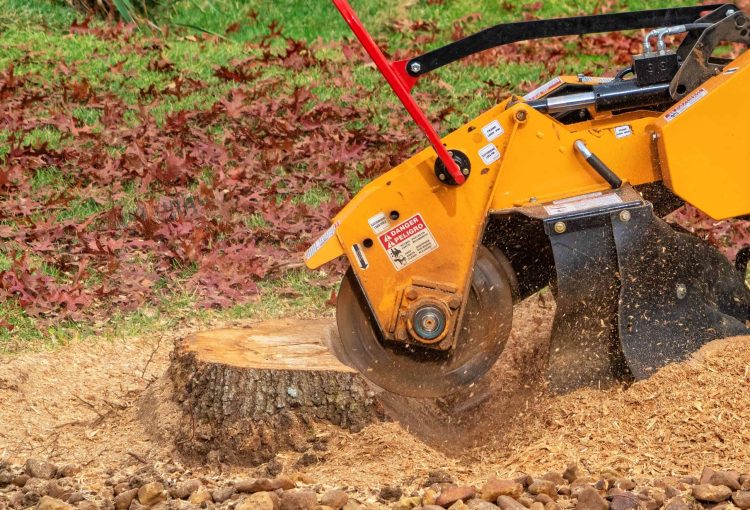
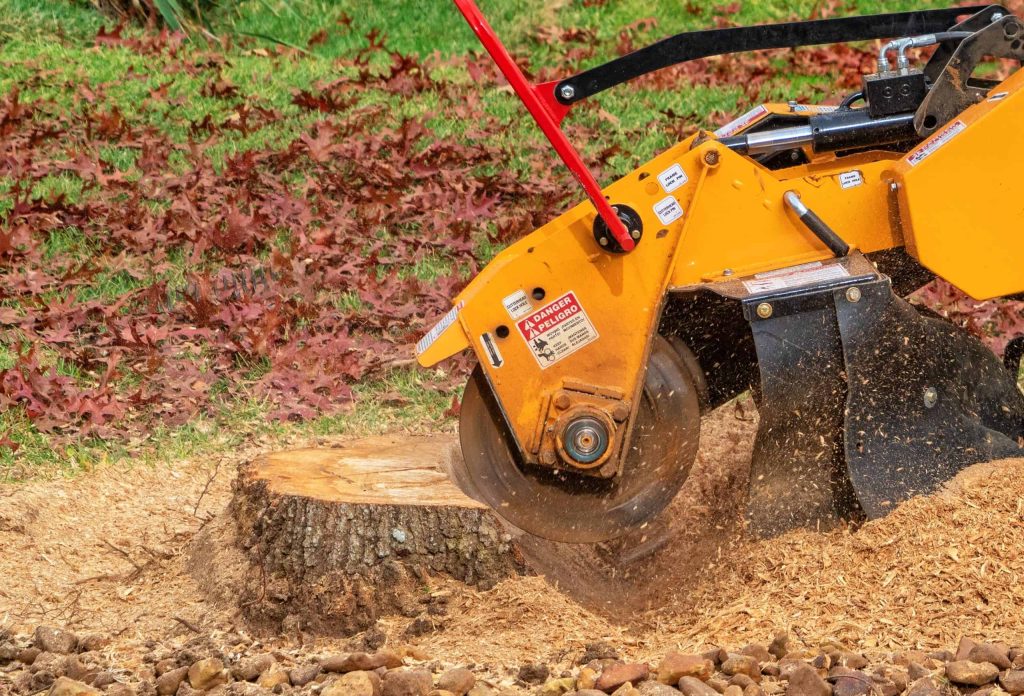
Stump grinding is the process of mechanically grinding a tree stump down below ground level using a specialized machine called a stump grinder.
Instead of pulling the entire stump and root system out of the ground, the machine shreds the stump into wood chips until it sits several inches below the soil surface. Once complete, the area can usually be covered with soil, grass seed, or mulch.
The root system is left underground, where it naturally decomposes over time.
For most residential properties, stump grinding is the faster, cleaner, and less invasive option.
What Is Stump Removal?
Stump removal is a more aggressive process that involves extracting the entire stump along with the major root system from the ground.
This usually requires heavy equipment because tree roots can spread deep and wide beneath the surface. Once the stump is pulled out, it leaves behind a large hole that must be filled with soil and repaired afterward.
Complete stump removal is often used when the homeowner plans to build, install hardscaping, or completely rework the area.
While effective, it is usually more labor-intensive and significantly more disruptive to the yard.
The Biggest Difference Between Stump Grinding and Stump Removal
The simplest way to think about it is this:
Stump grinding eliminates the visible stump.
Stump removal eliminates the entire stump and root system.
That difference affects everything else, including:
- Cost
- Time
- Yard damage
- Cleanup
- Future landscaping
- Equipment required
- Long-term ground stability
Understanding those tradeoffs matters more than simply choosing the “stronger” option.
Why Most Homeowners Choose Stump Grinding
In most cases, stump grinding makes more sense because it solves the actual problem without tearing apart the yard.
Most homeowners are not worried about underground roots. They simply want to:
- Improve the appearance of the yard
- Prevent tripping hazards
- Stop termite and pest activity
- Make mowing easier
- Free up usable space
- Avoid unnecessary property damage
Stump grinding handles all of those concerns while keeping disruption to a minimum.
The process is also much faster than full stump removal. In many cases, a professional crew can grind a stump in under an hour depending on size and accessibility.
That speed matters when you want your property looking normal again quickly.
When Stump Removal Makes More Sense
There are situations where full stump removal is absolutely the better choice.
If you plan to install a structure directly over the old stump area, leftover roots can become a problem later. That includes projects like:
- New patios
- Driveways
- Foundations
- Retaining walls
- Pools
- Additions
- Large landscaping renovations
In those situations, complete removal creates a clean slate.
Stump removal may also be necessary if:
- The roots are damaging nearby structures
- The tree species aggressively sprouts new growth
- Underground utilities or pipes are affected
- The stump is infected with disease or fungus
- You need full excavation of the area
For example, some tree species continue sending up shoots even after grinding. Full removal may be the better long-term solution in those cases.
Which Option Is More Affordable?
Stump grinding is usually much cheaper than stump removal.
That is because grinding requires less labor, less excavation, less cleanup, and smaller equipment.
The final cost depends on factors like:
- Stump size
- Tree species
- Root spread
- Accessibility
- Number of stumps
- Soil condition
But generally speaking, full stump removal costs substantially more because the process is far more labor-intensive.
If budget matters and you simply want the stump gone, grinding is often the best value.
Which Option Causes More Yard Damage?
This is one of the biggest reasons homeowners prefer stump grinding.
Grinding is far less destructive.
A stump grinder can usually access the area without tearing up large sections of the yard. Once the stump is ground below grade, the surrounding landscape remains mostly intact.
Stump removal is different.
Removing the entire root system often leaves a large crater in the yard. Heavy equipment can damage grass, compact soil, and disturb nearby landscaping.
If your property already has irrigation systems, flower beds, fencing, or tight access points, full removal can become complicated quickly.
For smaller residential properties, minimal disruption is often the deciding factor.
What Happens to the Roots After Stump Grinding?
One of the most common questions homeowners ask is whether roots continue growing after stump grinding.
In most cases, the roots stop growing and slowly decompose underground over time.
Since the stump itself is removed, the tree no longer has the resources needed to continue normal growth.
However, some tree species are more aggressive than others and may produce root sprouts after grinding. A professional tree service can identify whether your specific tree species is prone to that issue.
For most properties, leftover roots do not create problems after stump grinding.
Is Stump Grinding Safe for Nearby Trees and Landscaping?
Yes, when performed correctly.
Professional stump grinding is a targeted process that focuses specifically on the stump itself. Skilled operators can work around nearby landscaping, fences, walkways, and existing trees with minimal disturbance.
That said, this is not a DIY project most homeowners should attempt.
Stump grinders are extremely powerful machines. Improper use can damage underground utilities, nearby roots, irrigation systems, or hardscaping.
Hiring an experienced professional helps ensure the work is done safely and efficiently.
Can You Plant Grass After Stump Grinding?
Absolutely.
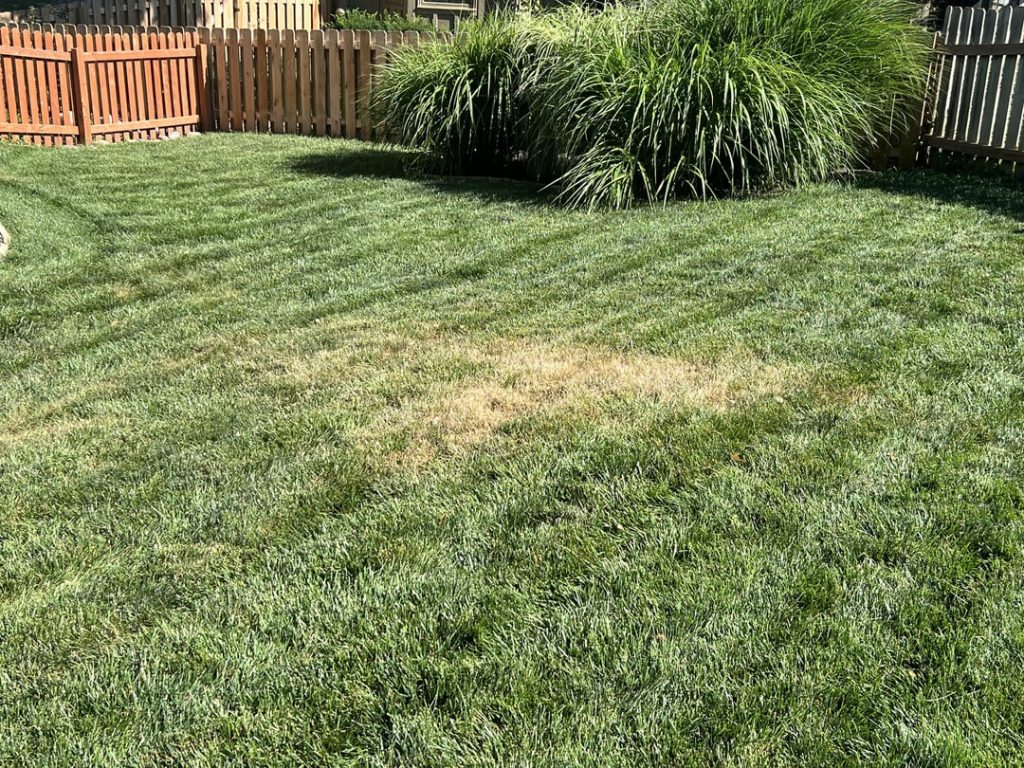
In fact, one of the biggest advantages of stump grinding is how quickly the area can be restored afterward.
Once the stump is ground below the surface, the remaining hole is typically filled with a mix of soil and leftover wood chips. From there, homeowners can:
- Add topsoil
- Lay sod
- Seed new grass
- Install mulch
- Replant landscaping
Most yards recover relatively quickly after grinding.
With stump removal, restoration often takes longer because the excavation area is much larger.
Does Stump Grinding Prevent Termites and Pests?
Old tree stumps attract moisture, decay, and insects.
That includes:
- Termites
- Carpenter ants
- Beetles
- Fungus
- Rodents
Leaving a decaying stump in the yard can eventually increase the likelihood of pest activity near the property.
Stump grinding significantly reduces that risk by removing the primary food source above ground.
While underground roots still decompose naturally, they are far less attractive to pests than an exposed rotting stump.
For homeowners concerned about termites near the home, removing the stump sooner rather than later is usually the smart move.
Which Option Is Faster?
Stump grinding is almost always faster.
Most residential stump grinding jobs can be completed in a single visit without major excavation or hauling.
Stump removal often requires:
- Excavation equipment
- Root extraction
- Soil hauling
- Backfilling
- Property repair
That additional work increases both labor time and cleanup requirements.
If speed and convenience matter, grinding is usually the more efficient solution.
Can You Leave a Tree Stump Alone?
Technically, yes.
But it is rarely a good idea long term.
An old stump can create several problems over time:
- Lawn maintenance becomes harder
- Pests become more likely
- The stump becomes a tripping hazard
- Fungi and decay spread
- New shoots may grow
- Property appearance suffers
Even if the stump seems harmless now, most homeowners eventually decide to remove it later.
Addressing it early usually prevents bigger headaches down the road.
DIY Stump Grinding vs Hiring a Professional
Some homeowners consider renting a stump grinder themselves to save money.
While that may seem practical at first, there are several risks involved.
Stump grinders are heavy-duty machines capable of serious injury if mishandled. They also require experience to operate efficiently without damaging nearby property.
Professional stump grinding services bring:
- Commercial-grade equipment
- Knowledge of underground hazards
- Faster completion times
- Proper cleanup
- Safer operation
Professionals can also identify root systems, decay issues, or structural concerns homeowners may overlook.
For most people, hiring an experienced stump grinding company is the safer and more cost-effective choice in the long run.
How to Decide Which Option Is Right for Your Property
The easiest way to decide is to ask one question:
What do you plan to do with the area afterward?
If you simply want the stump gone and the yard restored, stump grinding usually makes the most sense.
If you are preparing for major construction or complete landscape redevelopment, stump removal may be worth the additional cost and disruption.
Here is a simple breakdown:
Choose stump grinding if:
- You want the most affordable option
- You want minimal yard damage
- You want faster completion
- You plan to reseed grass or landscape normally
- You want less invasive work
Choose stump removal if:
- You are building over the area
- You need complete root extraction
- The roots are causing structural issues
- The tree species aggressively regrows
- You are doing major excavation anyway
For most residential properties, stump grinding delivers the best balance of cost, speed, appearance, and convenience.
Final Thoughts on Stump Grinding vs Stump Removal
When comparing stump grinding vs stump removal, there is no universal answer for every property. The right choice depends on your goals, your budget, and what matters most to you afterward.
But for the average homeowner, stump grinding is usually the option that makes the most practical sense.
It is faster, less invasive, more affordable, and effective for restoring the appearance and usability of your yard without major disruption.
The longer a stump sits in your yard, the more likely it is to become an eyesore, attract pests, or create maintenance problems. Taking care of it early helps protect both the appearance and functionality of your property.
If you are ready to reclaim your yard, call us at (314) 471-6186 to schedule an estimate and get expert help removing unwanted stumps from your property.